My Journey Learning Hugging Face Transformers
April 6, 2024
Hey there, fellow AI enthusiasts! Today, I want to share my exciting journey of learning Hugging Face Transformers through their fantastic NLP course. If you're looking to dive into the world of Natural Language Processing and state-of-the-art language models, buckle up because this ride is worth it!
Why Hugging Face Transformers?

Before we dive in, you might be wondering, "Why Hugging Face?" Well, Hugging Face has become the go-to platform for state-of-the-art NLP models and tools. Their Transformers library is a game-changer, making it incredibly easy to use pre-trained models for various NLP tasks. Plus, their course is free and comprehensive – a perfect combo for self-learners like us!
Getting Started: The Basics
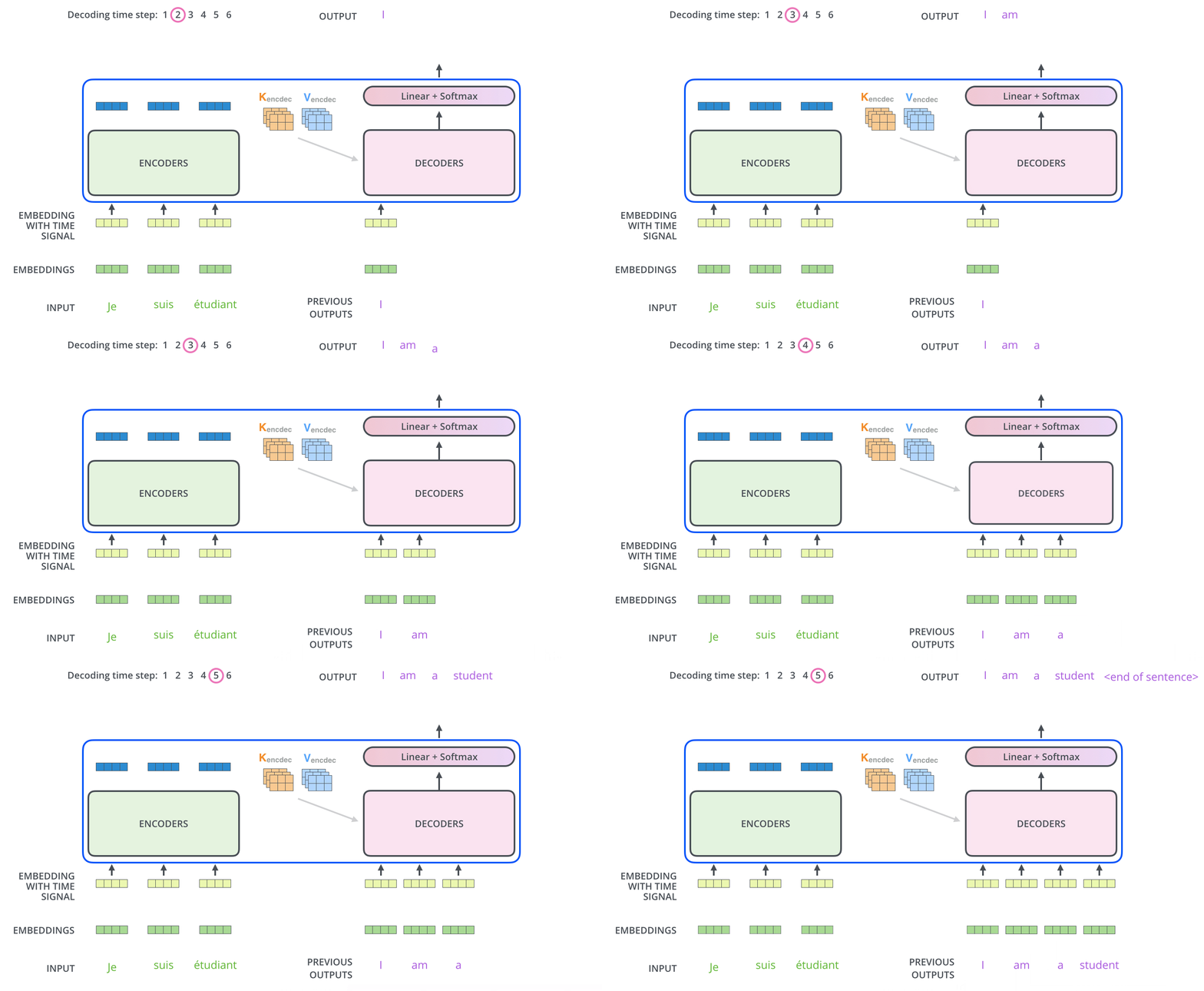
The course kicks off with the basics of transformers and how to use the Hugging Face ecosystem. I was amazed at how quickly I could get a pre-trained model up and running. Here's a simple example of how you can use a pre-trained model for sentiment analysis:
from transformers import pipeline

classifier = pipeline("sentiment-analysis")
result = classifier("I love learning about AI!")
print(result)
It's that simple! This code snippet alone got me excited about the possibilities.
Diving Deeper: Fine-tuning Models
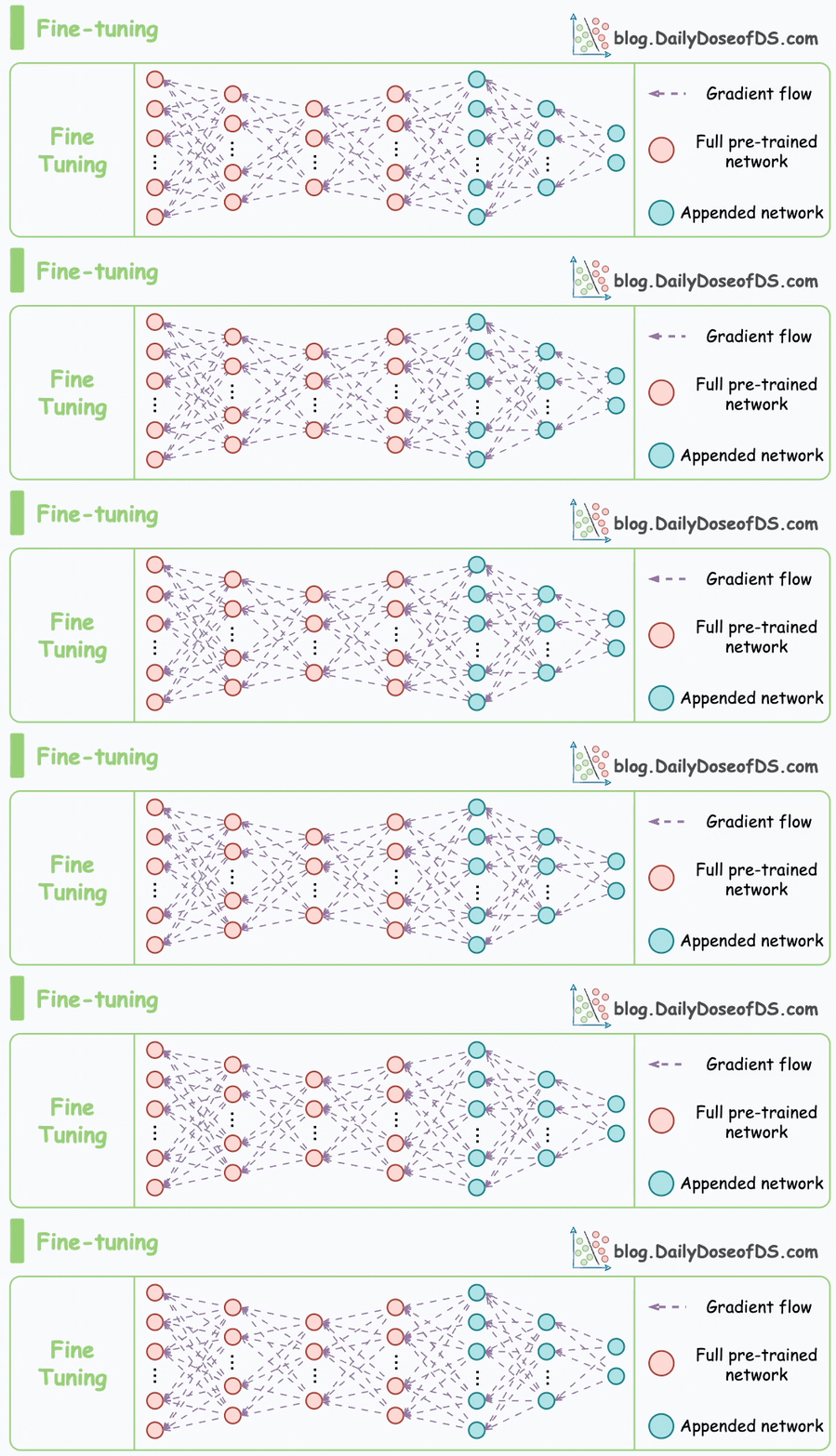
As I progressed through the course, I learned about fine-tuning these pre-trained models for specific tasks. This is where things got really interesting. I could take a general-purpose language model and adapt it to my specific needs. The course provides clear examples and exercises to practice this crucial skill.
The Community Aspect
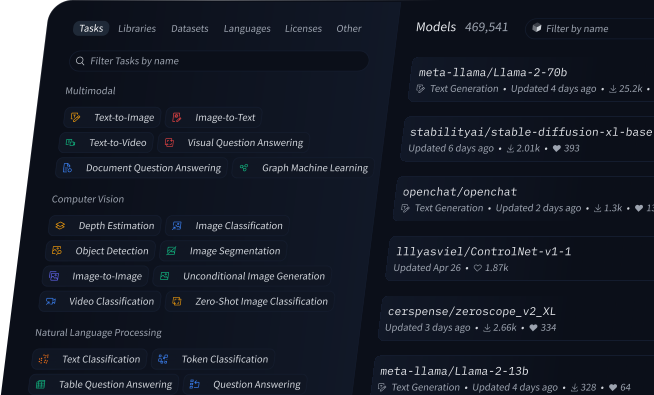
One of the best parts of learning with Hugging Face is the vibrant community. The course encourages interaction through their forums and GitHub repositories. I found myself learning not just from the course material, but from fellow learners and the Hugging Face team themselves.
Challenges and Breakthroughs
Of course, the journey wasn't without its challenges. Grasping concepts like attention mechanisms and the intricacies of different transformer architectures took time. But the "aha!" moments when things clicked were incredibly rewarding. I remember the excitement when I successfully fine-tuned a model for a custom classification task – it felt like unlocking a new superpower!
Practical Applications
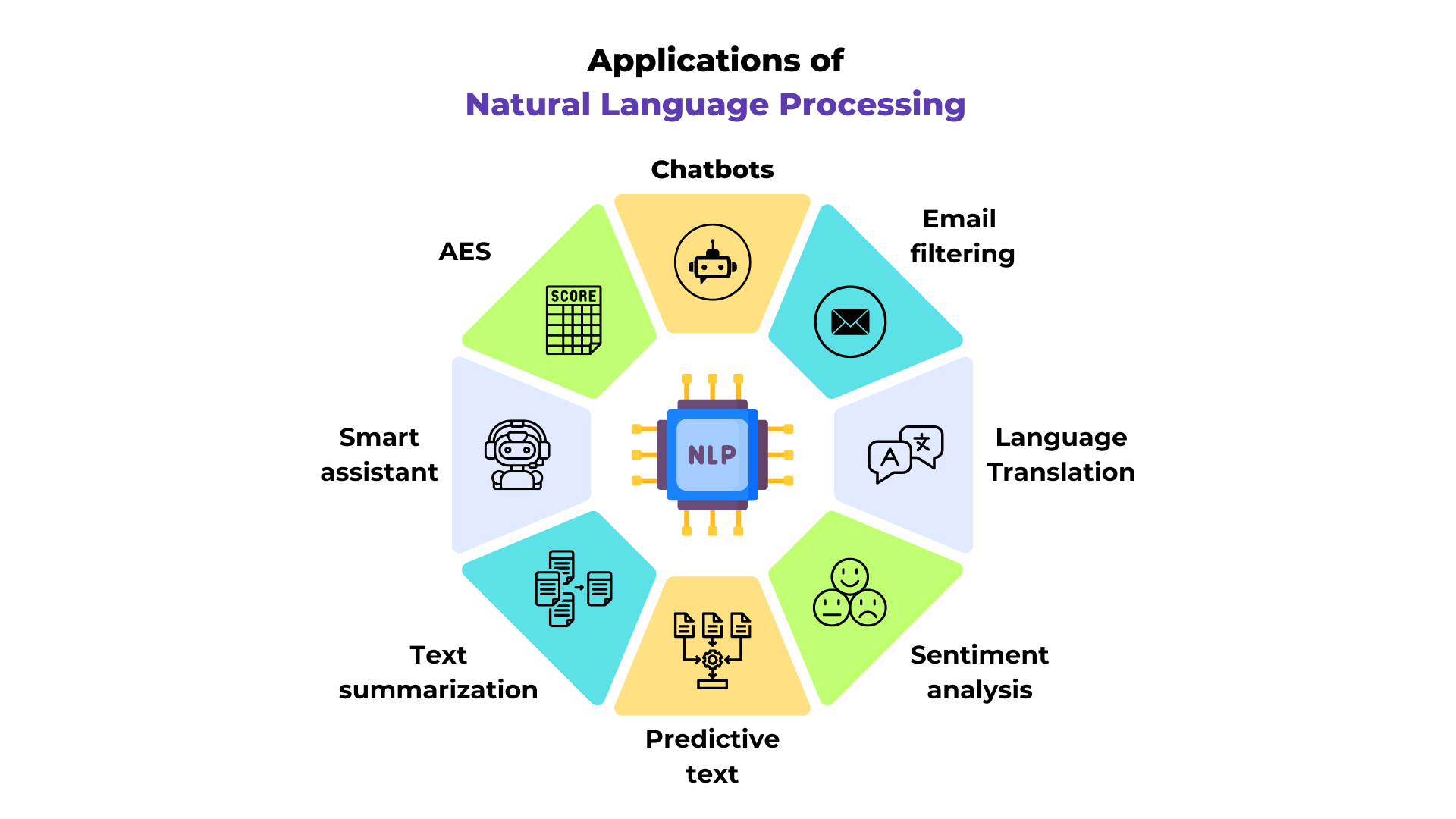
The course does an excellent job of balancing theory with practical applications. I appreciated how each concept was followed by hands-on examples. By the end of the course, I had built several small projects, including a text summarizer and a question-answering system.
Looking Ahead
Completing the Hugging Face NLP course feels like just the beginning. It has opened up a world of possibilities in NLP for me. I'm excited to apply these skills to real-world problems and continue exploring the rapidly evolving field of AI and NLP.
Conclusion
If you're considering diving into NLP and transformer models, I highly recommend the Hugging Face course. It's well-structured, hands-on, and will give you the skills to start working with state-of-the-art NLP models. Remember, the key is to practice and experiment as you learn. Don't be afraid to try out different models and tasks – that's where the real learning happens!
Happy learning, and may your models be ever accurate!